The Challenge: A single AI model trying to be a 'jack of all trades' often results in hallucinations and generic answers. In high-stakes customer support for E-commerce, accuracy is paramount.
This case study explores how we architected a Multi-Agent System (MAS) where specialized agents (Order Tracker, Refund Policy Expert, and Product Recommender) collaborate to solve complex user tickets.
Single Model vs. Multi-Agent Architecture
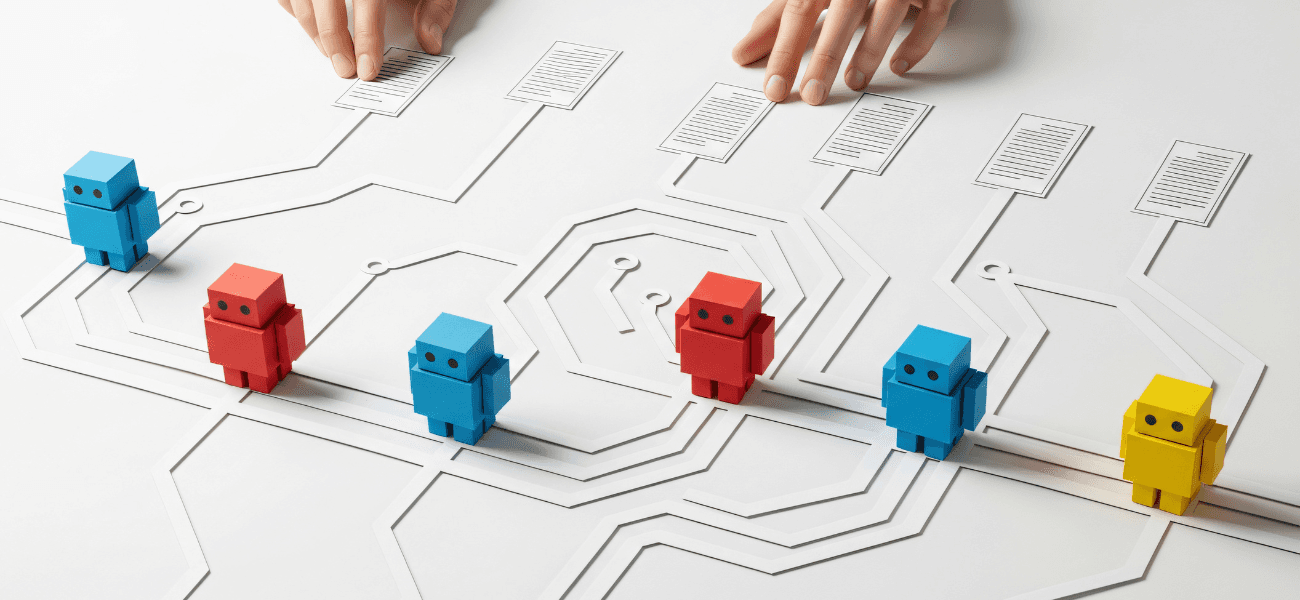
In a monolithic approach, one prompt handles everything. In a Multi-Agent approach, a 'Router Agent' analyzes the intent and directs the query to a specialist. This drastically reduces context pollution and improves accuracy.
- Router Agent: Acts as the traffic controller.
- Policy Agent: specialized RAG pipeline for reading PDF terms.
- Action Agent: Connected to Stripe/Shopify APIs for refunds.
Implementation Results
| KPI | Baseline (Human + Macro) | Multi-Agent System |
|---|---|---|
| First Response Time | 4 hours | 30 seconds |
| Resolution Rate | 100% | 82% (Auto-resolved) |
| CSAT Score | 4.2/5 | 4.7/5 |
Human-in-the-Loop (HITL)
Automation does not mean removing humans entirely. We implemented a 'Confidence Threshold'. If any agent reports a confidence score below 85%, the conversation is seamlessly handed off to a human agent, along with a summary of the attempt. This ensures trust and safety while maintaining efficiency.
"The magic happens not when AI replaces humans, but when AI filters out the noise so humans can focus on empathy and complex problem solving."
Conclusion
By moving from a chatbot to a Multi-Agent System, businesses can handle scale during peak seasons (like Black Friday) without scaling headcount linearly. The future of support is agentic.